
Navigating the world of bras can be surprisingly complex! This comprehensive guide simplifies bra selection, ensuring comfort, support, and a perfect fit for every woman.
Accurate sizing is crucial, as many women unknowingly wear the wrong size for years, impacting both comfort and health.
Modern tools, like bra size calculators, are readily available, offering convenient solutions for finding your ideal bra size with ease and precision.
Why a Bra Guide is Essential
For too long, women have faced challenges with ill-fitting bras, experiencing discomfort, inadequate support, and a lack of confidence. A bra guide is no longer a luxury, but a necessity, empowering women to take control of their intimate apparel choices. Understanding your bra size and style preferences is fundamental to overall well-being.
Many women are unaware they are wearing the incorrect size, sometimes for years! This can lead to back pain, shoulder grooves, and skin irritation. A guide demystifies the sizing process, offering clear instructions on how to measure accurately and interpret results; Bra size calculators, while helpful, aren’t always foolproof, and a guide provides the context to understand their limitations.
Furthermore, a bra guide explores the diverse range of bra styles available, helping you select the best option for different outfits and activities. From full coverage to balconette and sports bras, knowing your options ensures both comfort and aesthetic appeal. Ultimately, a bra guide promotes body positivity and empowers women to feel confident and comfortable in their own skin.
The History of the Bra
The evolution of the bra is a fascinating journey, reflecting changing societal norms and women’s evolving roles. Early forms of breast support date back centuries, with ancient Greek depictions showing bandeau-like garments. However, the modern bra’s origins lie in the late 19th and early 20th centuries.
Before the bra, corsets were the dominant form of shaping undergarments, often restrictive and uncomfortable; Marie Curie’s need for a less constricting garment during her scientific work spurred innovation. In 1910, Mary Phelps Jacob patented the first modern bra, a simple design made of two handkerchiefs and ribbon.
The 1920s saw the bra gain popularity, coinciding with the flapper era and a desire for a more natural silhouette. Throughout the 20th century, bra designs continued to evolve, with advancements in materials, construction, and styling. From the padded “bullet bra” of the 1950s to the comfort-focused designs of today, the bra’s history is a testament to ongoing innovation and a commitment to women’s comfort and support.

Understanding Bra Sizing
Accurate bra sizing is paramount for comfort and support! Band and cup sizes work together to determine the perfect fit, avoiding common frustrations and maximizing well-being.
How Bra Sizes are Determined (Band Size)
Determining your band size is the foundational step in achieving a comfortable and supportive bra fit. This measurement isn’t your clothing size; instead, it represents the circumference around your ribcage directly under your breasts.
To measure accurately, stand relaxed and wear a non-padded bra. Use a flexible measuring tape, ensuring it’s level all the way around your body. Exhale naturally and record the measurement in inches.
If your measurement is an even number, this is typically your band size. However, if it’s an odd number, round up to the nearest even number. For example, a 31-inch measurement would become a 32 band size.
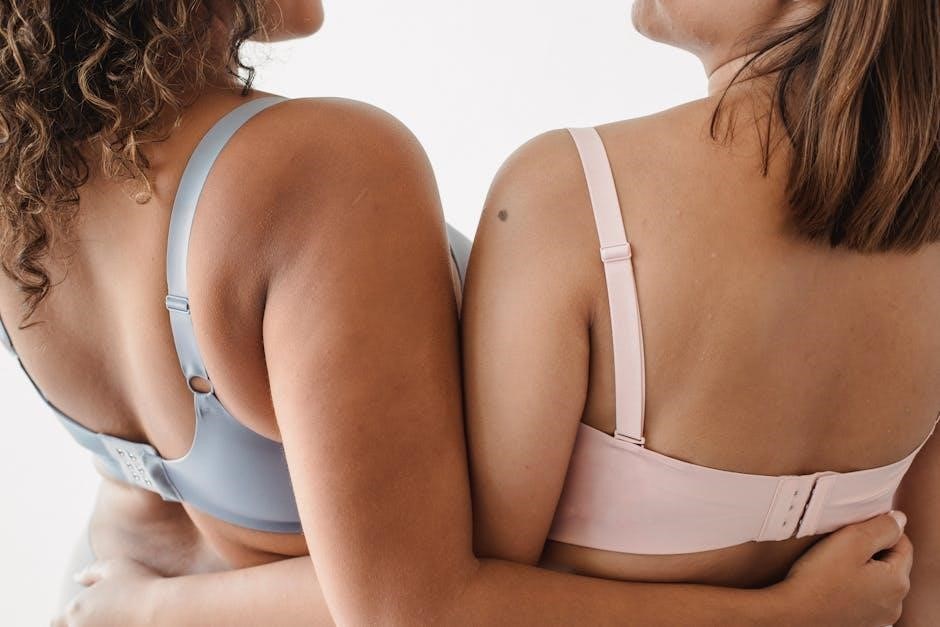
It’s common to try on multiple band sizes to find the most comfortable and secure fit. The band should feel snug but not constricting, providing the majority of the bra’s support. A too-loose band will cause the straps to dig in, while a too-tight band will be uncomfortable and may cause skin irritation.
Remember, band size is crucial for overall bra fit and support, so taking the time to measure correctly is essential!
How Bra Sizes are Determined (Cup Size)
Once you’ve determined your band size, calculating your cup size is the next vital step. This measurement reflects the difference between your chest circumference (around the fullest part of your breasts) and your band size.
Measure your chest circumference wearing a non-padded bra, ensuring the tape measure is level and snug, but not tight. Subtract your band size from this measurement. The difference determines your cup size.
Here’s a general guide: a difference of 1 inch equals an A cup, 2 inches a B cup, 3 inches a C cup, 4 inches a D cup, and so on. This pattern continues with 5 inches for a DD (or E) cup, 6 inches for a DDD (or F) cup, and so forth.
Cup size can vary between brands, so it’s always best to try on bras to confirm your correct size. Sister sizes (e.g., 34B and 32C) can offer alternative fits if your usual size isn’t available.
Finding the right cup size ensures your breasts are fully contained and comfortably supported.
Common Bra Size Mistakes
Many women unknowingly wear the wrong bra size, leading to discomfort and poor support. A frequent mistake is relying on a size determined years ago, as bodies change over time due to weight fluctuations, pregnancy, or age.
Another common error is assuming a consistent size across all brands. Bra sizing isn’t standardized, so a 34C in one brand might fit differently in another.
Ignoring band size is also problematic. A band that’s too loose doesn’t provide adequate support, while one that’s too tight can cause discomfort and digging.
Incorrectly measuring cup size – often estimating instead of accurately measuring the difference between chest and band circumference – leads to ill-fitting cups.
Finally, failing to recognize signs of a poor fit, like straps digging in or a gaping cup, perpetuates the mistake. Regular re-fitting is key!

Different Bra Styles
Bras come in diverse styles to suit various needs and outfits! From full coverage for everyday wear to balconettes and push-ups for enhanced cleavage, options abound.
Sports bras offer high support during activity, while strapless and wireless bras provide comfort and versatility for different occasions.
Full Coverage Bras
Full coverage bras are a cornerstone of many wardrobes, offering maximum support and shaping under clothing. These bras completely enclose the breast tissue, minimizing cleavage and providing a smooth silhouette. They are an excellent choice for everyday wear, particularly for those with larger busts seeking reliable support throughout the day.
Construction typically includes wider straps and a higher center gore – the piece of fabric between the cups – to enhance stability and prevent spillage. Materials range from comfortable cotton blends to luxurious lace, catering to diverse preferences. Full coverage doesn’t necessarily mean sacrificing style; many options feature beautiful detailing and modern designs.
They are ideal under t-shirts and fitted garments, eliminating visible bra lines and creating a polished look. Women often find them particularly comfortable due to the secure and encompassing fit. When selecting a full coverage bra, prioritize a snug band and cups that fully contain the breasts without digging or causing discomfort.
Balconette Bras
Balconette bras, also known as half-cup bras, offer a distinctive shape and lift, creating a rounded, uplifted bustline. Unlike full coverage styles, they feature cups that cover approximately half to three-quarters of the breast, resulting in a more open and revealing neckline. This style is designed to enhance cleavage and is often favored for wearing with lower-cut tops and dresses.
The angled cut of the cups provides a natural lift without excessive padding, making them a popular choice for those seeking a subtle boost. Straps are typically set wider apart, offering additional support and stability. Balconette bras often incorporate delicate lace or embroidery, adding a touch of femininity and sophistication.
Proper fit is crucial with balconette bras; the underwire should sit comfortably against the chest wall without digging in, and the cups should fully encapsulate the breasts without spillage. They are a versatile option for various outfits, offering both support and a flattering silhouette.
Push-Up Bras
Push-up bras are designed to enhance cleavage and lift the breasts, creating a fuller, more voluminous appearance. They achieve this through strategically placed padding, typically in the lower portion of the cups, which pushes the breasts upwards and inwards. The level of push-up can vary, ranging from subtle to dramatic, catering to different preferences and desired effects.
These bras often feature underwire for added support and shape, and the straps are usually adjustable to ensure a comfortable and secure fit. Push-up bras are a popular choice for wearing with outfits that showcase the décolletage, such as low-cut tops and dresses. They can also provide a confidence boost for those seeking a more enhanced silhouette.
When selecting a push-up bra, it’s essential to choose a size that fits well and provides adequate support without causing discomfort. Consider the occasion and desired level of enhancement when choosing the appropriate padding level.
Sports Bras
Sports bras are engineered to minimize breast movement during physical activity, providing crucial support and preventing discomfort. Unlike everyday bras, they prioritize functionality and impact reduction. Different levels of support cater to varying intensities of exercise – low, medium, and high impact.
Low-impact sports bras are suitable for activities like yoga or walking, offering gentle compression. Medium-impact bras work well for hiking or cycling, providing moderate support. High-impact bras, often featuring encapsulation and compression, are ideal for running or high-intensity training.
Materials are key; moisture-wicking fabrics like polyester and spandex keep you dry and comfortable. Proper fit is paramount – the band should be snug, and the straps shouldn’t dig in. Choosing the right sports bra protects breast tissue and ensures a comfortable workout experience.
Wireless Bras
Wireless bras offer a comfortable alternative to underwire styles, prioritizing freedom of movement and a natural shape. They are an excellent choice for everyday wear, lounging, or for those sensitive to underwire. Despite lacking underwire, wireless bras still provide support through band construction and cup design.
Various styles exist within the wireless category, including full-coverage, balconette, and bralettes. Full-coverage wireless bras offer maximum support and modesty, while balconette styles provide a lift and a more open neckline. Bralettes are typically lighter and less structured, ideal for a relaxed feel.
Material choices significantly impact comfort; cotton is breathable and soft, while microfiber offers a smooth feel. Proper fit remains crucial – the band should be snug, and the cups should fully encapsulate the breasts without spillage. Wireless bras are a fantastic option for all-day comfort.
Strapless Bras
Strapless bras are designed to be worn without shoulder straps, making them ideal for off-the-shoulder outfits or dresses with unique strap designs. Achieving a secure and comfortable fit with a strapless bra is paramount, as they rely heavily on a snug band and supportive construction.
Key features include a firm band, often with silicone lining, to grip the body and prevent slipping. Internal boning provides additional support and structure, maintaining the bra’s shape and preventing movement. Cup styles vary, ranging from full-coverage to balconette, offering different levels of lift and support.
Proper sizing is even more critical with strapless bras; a too-loose band will result in constant adjustments. Consider styles with convertible straps for added versatility. Look for features like side support and a comfortable underband to ensure a secure and confident fit throughout the day.

Materials and Construction
Bra construction utilizes diverse materials like cotton, lace, and silk, impacting comfort and aesthetics. Padding levels—thin or thick—influence shape and support, catering to individual preferences.
Common Bra Materials (Cotton, Lace, Silk)
Cotton bras are renowned for their breathability and softness, making them ideal for everyday wear and sensitive skin. They offer excellent comfort, though they may lack the luxurious feel of other fabrics. Lace bras introduce an element of elegance and sophistication, often used for decorative overlays or entire cups. While visually appealing, lace can sometimes be less comfortable for those prone to irritation.

Silk bras represent the epitome of luxury, providing a smooth, cool feel against the skin. They are incredibly soft and offer a beautiful drape, but typically require more delicate care and come with a higher price point. Beyond these core materials, you’ll find microfiber, satin, and blends offering various combinations of comfort, support, and aesthetics. The choice depends on your personal preferences, lifestyle, and the desired level of support and style.
Understanding these material differences is key to selecting a bra that feels good and looks great, enhancing both comfort and confidence.
Understanding Bra Padding (Thin vs. Thick)
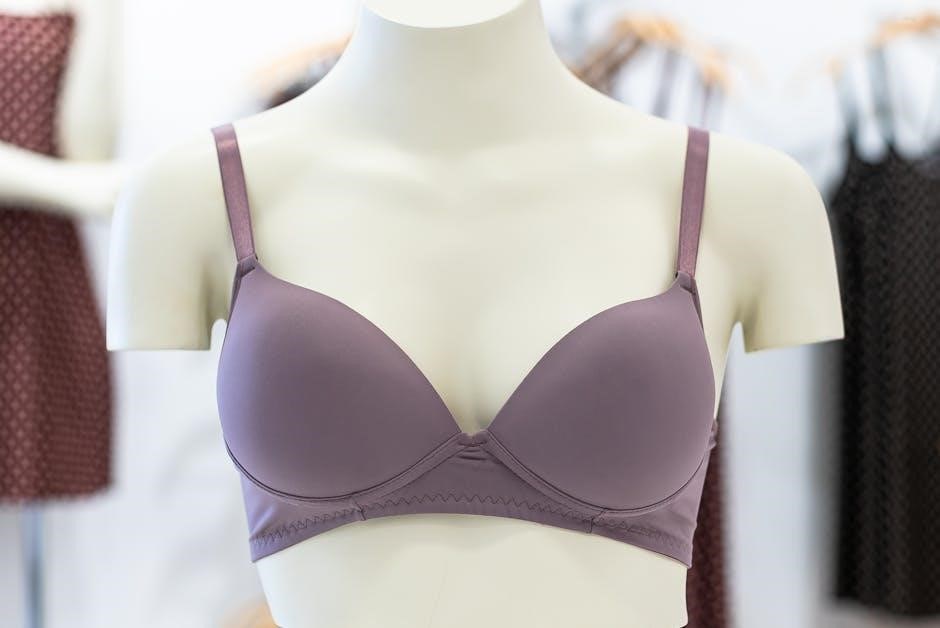
Bra padding significantly impacts both shape and support, ranging from minimal to substantial. Thin padding, often found in everyday bras, provides a natural shape and subtle smoothing without adding significant volume. It’s ideal for those seeking comfort and a barely-there feel. Thick padding, conversely, offers more pronounced lift and shaping, commonly seen in push-up styles.
The level of padding influences the bra’s overall effect; thicker padding can enhance cleavage and create a fuller appearance. Consider your clothing choices – thinner padding works well under t-shirts, while thicker padding is better suited for outfits with more structure. Padding materials vary, including foam, gel, and silicone, each offering different levels of comfort and shaping capabilities.
Choosing the right padding level is crucial for achieving your desired silhouette and ensuring all-day comfort.
Finding the Right Fit
Achieving a perfect bra fit is paramount for comfort and support! Proper measurement and recognizing fit issues are key to selecting the ideal bra for your body.
Utilize accurate measuring techniques and explore online calculators, but remember they are guides, not definitive solutions.
How to Measure Yourself for a Bra
Accurate self-measurement is the foundation of finding your perfect bra fit. Begin by measuring your band size. Stand naturally and use a soft measuring tape to measure snugly around your torso, directly under your breasts, ensuring the tape is level all the way around.
Round to the nearest whole number. If the measurement is an odd number, add one inch. This result is your band size. Next, measure your bust size. Wrap the measuring tape around the fullest part of your breasts, keeping the tape level and comfortable – not too tight.
Record this measurement in inches. To determine your cup size, subtract your band size from your bust size. The difference corresponds to a cup size: 1 inch = A cup, 2 inches = B cup, 3 inches = C cup, and so on. Remember to remeasure periodically, as your size can change!
Signs of a Poorly Fitting Bra
A poorly fitting bra can cause discomfort and even health issues. Several telltale signs indicate your bra isn’t working for you. Digging straps are a common indicator, suggesting the straps are bearing too much of the weight. If the band rides up in the back, it’s likely too loose, failing to provide adequate support.
Spillage or gaping are also key indicators. Spillage means your breasts are overflowing the cup, while gaping means the cup isn’t fully filled. These issues suggest an incorrect cup size. Red marks or chafing around the underwire or band signal friction and a poor fit.
Finally, if you constantly adjust your bra throughout the day, it’s a sign it’s not providing the support and comfort it should. Don’t ignore these signals – a proper fit is essential for both comfort and well-being!
Bra Size Calculators and Their Accuracy
Bra size calculators are valuable tools, offering a convenient starting point for finding your correct size. These online tools utilize your band and bust measurements to estimate your bra size, simplifying the process and eliminating some guesswork. However, it’s crucial to understand they aren’t foolproof.
Accuracy can vary depending on the calculator’s algorithm and the precision of your measurements. Factors like breast shape, projection, and individual variations aren’t always accounted for. Therefore, a calculator result should be considered an approximation, not a definitive answer.
It’s best to use a calculator as a guide and then confirm the fit with a professional bra fitting or by carefully assessing how the bra feels and looks on your body. Don’t rely solely on the numbers; prioritize comfort and support!

Bra Care and Maintenance
Proper bra care extends its lifespan and maintains its shape. Gentle hand washing, or a delicate cycle, preserves elasticity, while air drying prevents damage.
Rotating bras allows the elastic to recover, and storing them correctly prevents distortion.
Proper Washing Techniques
Maintaining your bras’ shape and elasticity hinges on employing the correct washing techniques. Hand washing is undeniably the gentlest method; use a mild detergent specifically designed for delicates and lukewarm water. Gently swirl the bra, avoiding harsh scrubbing, and rinse thoroughly until all soap residue is gone.
If using a washing machine, always place your bras inside a lingerie bag to protect them from snagging or twisting with other garments. Select the delicate cycle with cold water. Avoid using bleach or fabric softeners, as these can break down the elastic fibers.
Never put your bras in the dryer! The high heat will irreversibly damage the delicate materials and warp the shape. Instead, lay them flat to air dry, away from direct sunlight or heat. This preserves the bra’s structure and ensures it continues to provide optimal support and comfort for longer.
Extending the Life of Your Bras
Maximizing the lifespan of your bras requires a bit of mindful care beyond just washing. Rotating your bras is key – avoid wearing the same one two days in a row. This allows the elastic to fully recover its shape. Ideally, have at least three to four bras in your regular rotation.
Proper storage is also crucial. Avoid folding bras in half, as this can damage the cups and underwire. Instead, nest them inside each other or lay them flat in a drawer.
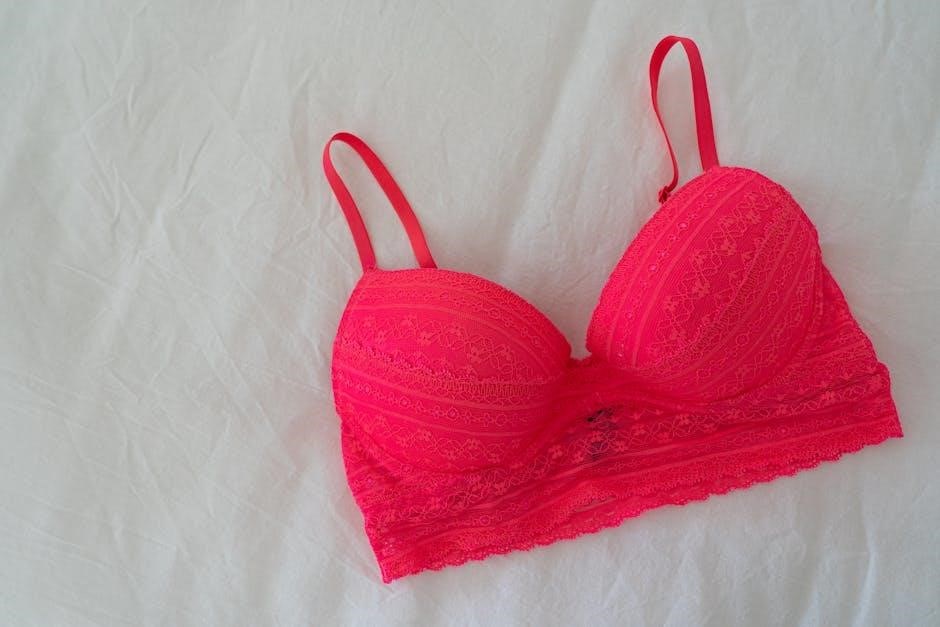
Be mindful when putting on and taking off your bra. Fasten the clasp gently, avoiding pulling or stretching the straps. Regularly check for loose threads or signs of wear and tear, addressing them promptly to prevent further damage. Following these simple steps will ensure your favorite bras remain supportive and comfortable for months to come.
No Responses